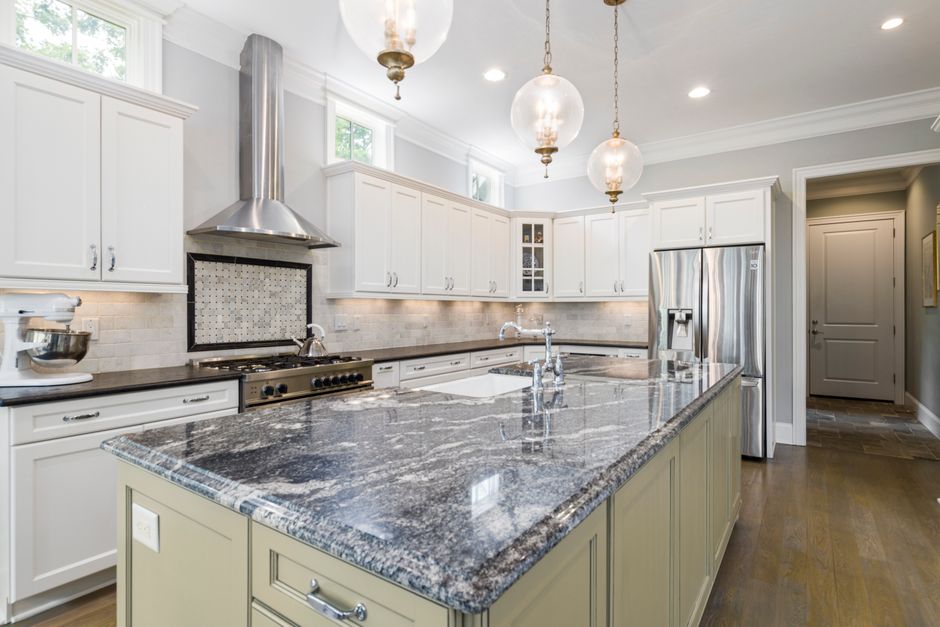
What We Cover
- Cabinet toe-kick recess clearance Ensuring the countertop overhang does not interfere with the functional toe-kick depth.
- Diamond segment grit-index verification Checking the wear state of diamond pads to ensure consistent surface smoothness.
- Edge profile radius consistency Maintaining a constant arc measurement when hand-profiling edges with a stone grinder.
- Epoxy resin shrinkage coefficient Accounting for the volume loss during the chemical curing process of seam adhesives.
- Kerf depth for decorative routed grooves Controlling the depth of router passes for integrated drainage or design details.
- Mechanical fastener torque for backsplash Applying specific tension to clips to prevent cracking thin-mitered stone pieces.
- Mechanical seam setter tension Adjusting the downward pressure on seam-setting tools to ensure tight joint closure.
- Silicone bead geometry for waterproof joints Managing the shape of the sealant bead to ensure proper surface tension and water shedding.
- Sink cutout corner radius minimums Maintaining a specific radius at cutouts to prevent stress fractures in the material.
- Slab thickness verification via caliper Confirming actual material thickness to adjust edge profile math and sink cutout depths.
- Slab weight calculation for hoist capacity Determining the required lifting equipment based on total square footage and stone density.
- Stone porosity-based sealant absorption rates Calculating the volume of penetrative sealer required based on the material's open pore structure.
- Template scribe-line depth accuracy Ensuring the pencil line on a physical template accurately represents the stone's edge.
- Undercut sink reveal tolerance Measuring the precise distance between the sink rim and the stone edge for undermount installations.
New guides are being published here soon.