Slab thickness verification via caliper
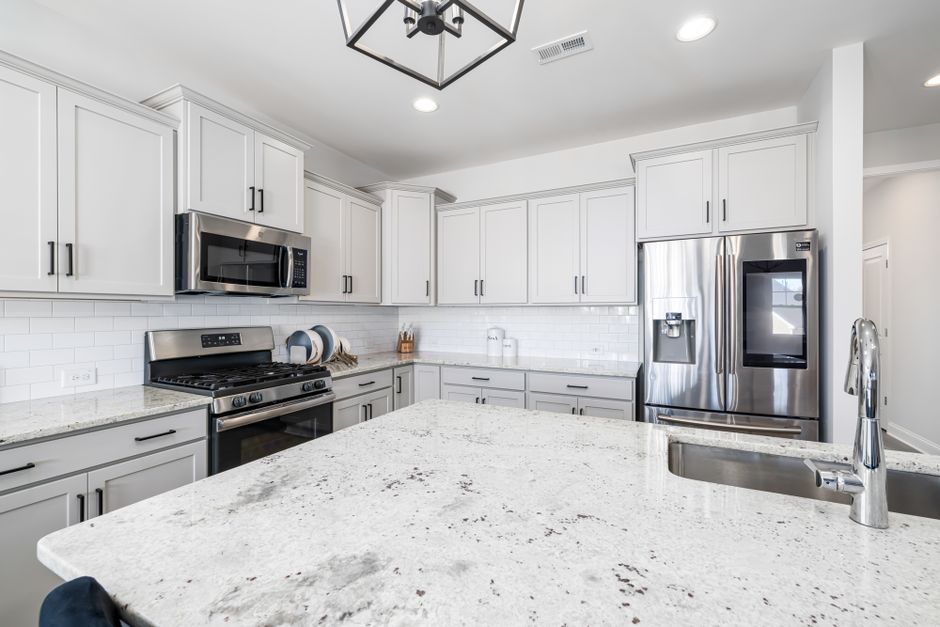
The slab arrives labeled at 3cm. Often it measures 2.8cm or 3.2cm. Precise measurement is required for every countertop project throughout Buncombe County, NC, and the technical data found at buncombe county custom countertops nc newl5 officiel provides the necessary calibration steps. Relying on nominal thickness leads to errors in the final fabrication. A caliper provides the actual decimal value needed for the machine settings.
Caliper Accuracy and Slab Variance
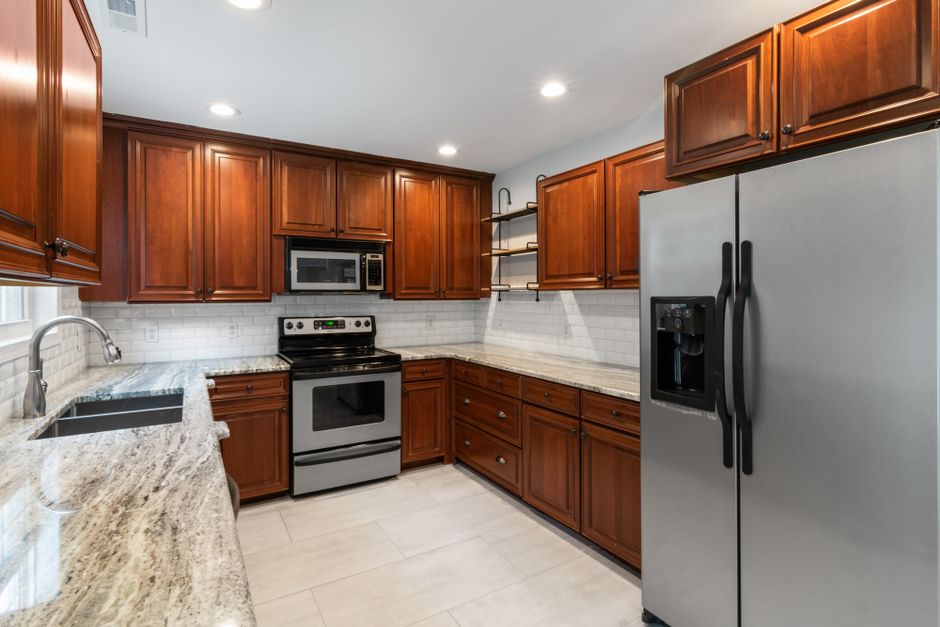
Every slab of granite or quartz possesses slight variations in thickness from the factory. A digital caliper allows for a reading within hundredths of an inch. Using a nominal 3cm measurement for a quartz piece that actually measures 2.9cm results in a misalignment of the sink cutout. The math for the edge profile depends on the actual material volume. If the edge profile is set for a thicker slab, the machine will overcut the profile depth. A small sample overstates the edge if the caliper is not used to verify the center point of the material.
Adjusting the Sink Cutout Depth
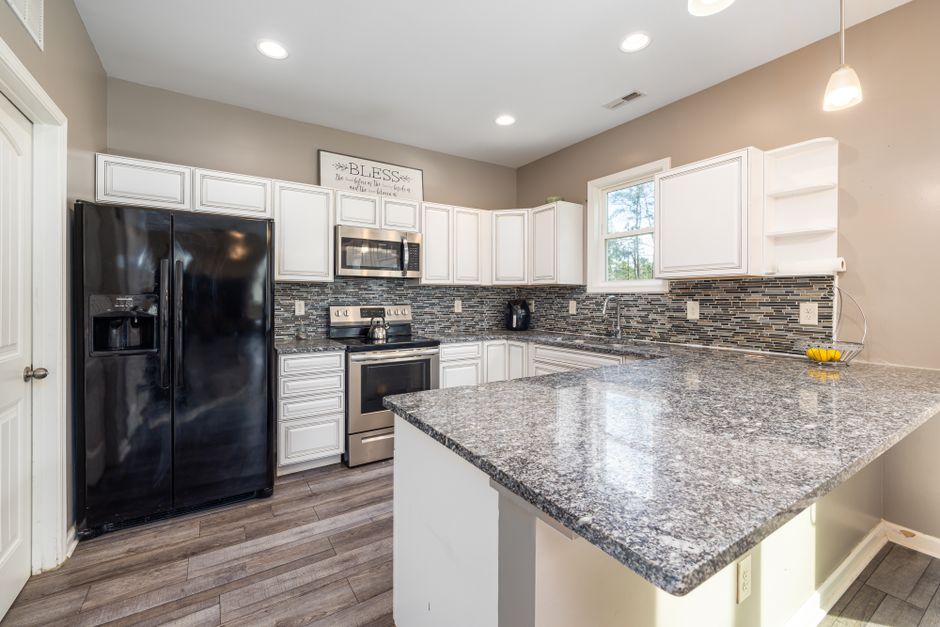
An undermount sink requires a precise relationship between the top surface and the cabinet rim. If the slab thickness is lower than expected, the sink cutout will sit too low. This creates a gap that ruins the seal. Measuring the slab with a caliper ensures the cutout depth matches the specific thickness of the stone. This is especially true for porcelain or quartzite, which can be thinner or more brittle than standard granite. The depth of the cut must be adjusted in the software to account for the real-world thickness of the material.
Edge Profile and Machine Calibration
The geometry of a bullnose or an eased edge is calculated based on the vertical plane of the slab. If the slab is 20mm instead of 22mm, the profile will look disproportionate. The CNC machine uses the caliper data to determine the path of the diamond bit. An incorrect thickness setting causes the bit to plunge too deep or too shallow. This affects the visual weight of the overhang. Proper calibration prevents the tool from hitting the support structure below the stone during the profile grind.
Seam Placement and Thickness Consistency
A seam must be perfectly flush to remain invisible. If two slabs from different lots have different thicknesses, the seam will create a lip. This lip is impossible to sand out once the epoxy sets. Verifying the thickness of each slab before templating ensures that the seam placement accounts for these differences. Even a half millimeter difference causes a vertical offset at the junction. Consistent measurement across all pieces of a single installation prevents these structural and aesthetic failures.