Stone porosity-based sealant absorption rates
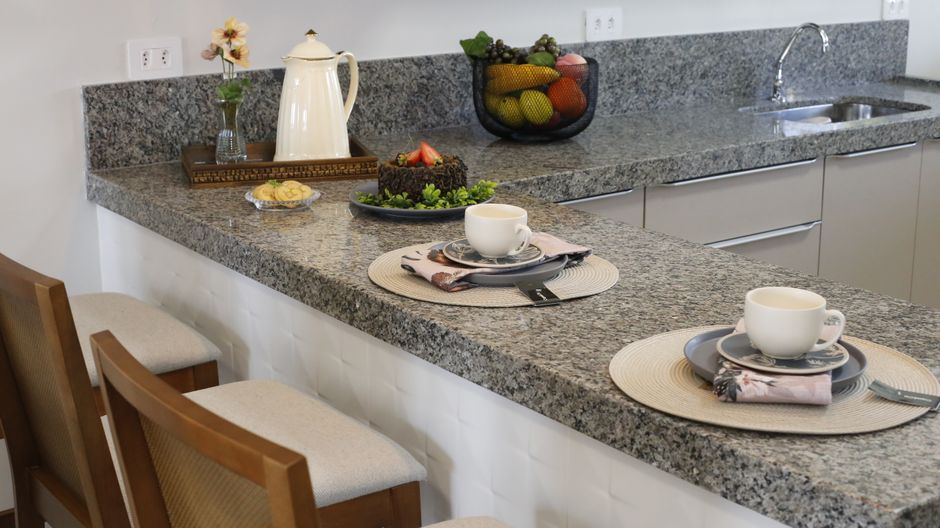
The capillary action pulls liquid through microscopic voids to fill the internal structure of a stone slab, and every teardown buncombe county custom countertops nc newl5 officiel has logged shows the same thing regarding the absorption rates of a granite countertop in Buncombe County, NC. Calculating the precise volume of penetrative sealer requires a mechanical approach to porosity. A measurement of the open pore structure determines how much liquid enters the substrate before saturation occurs. A small sample overstates the edge if the thickness is not accounted for during the testing phase.
Porosity and Absorption Rates
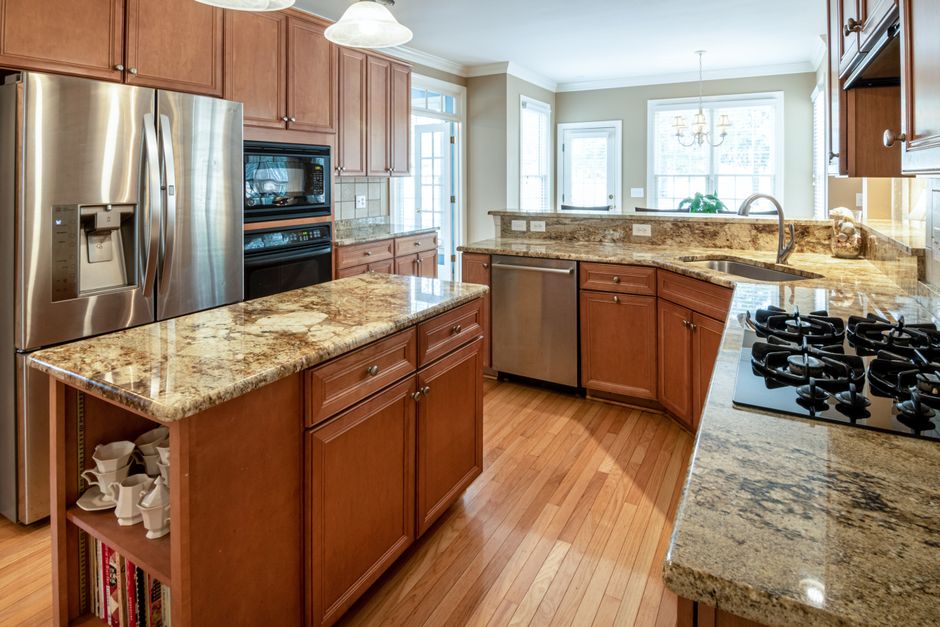
The volume of sealer needed depends on the total void space within the mineral matrix. For a natural granite piece, the pore diameter determines the rate of travel. A high porosity stone pulls liquid quickly, while a dense quartzite resists much of the initial application. The math requires multiplying the surface area by the depth of penetration. If the penetration depth is one millimeter, the calculation must reflect the cubic volume of that specific layer. Using too much product leads to pooling around a sink cutout, which creates a sticky residue that resists cleaning.
Calculating Material Volume
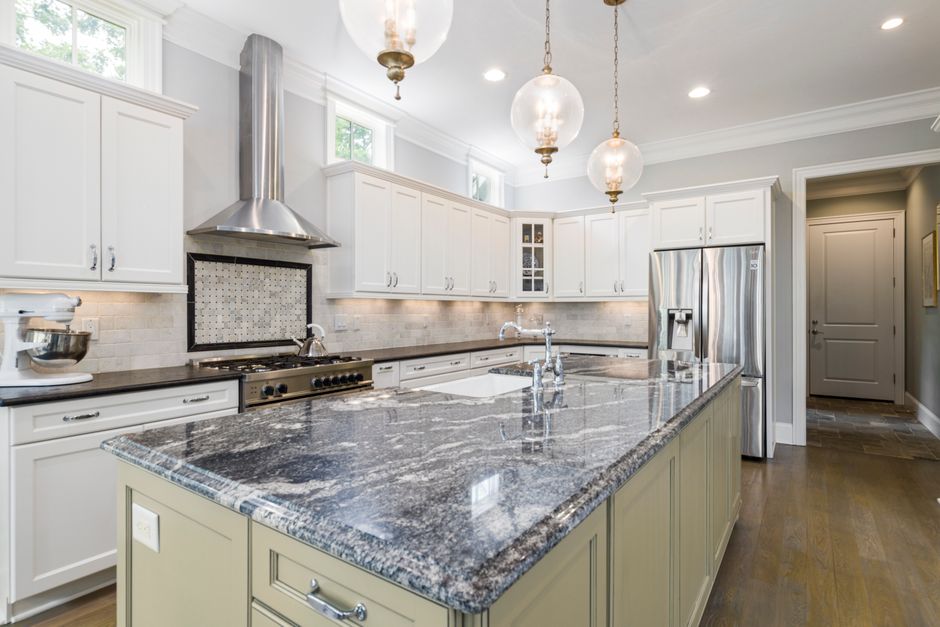
Estimating sealer for a slab involves more than just the top surface. The vertical faces of an eased edge or a bullnose require additional volume due to the increased surface area. A waterfall edge adds significant square footage to the total requirement. When a template is used to map the area, the total surface area includes the underside of an overhang and the perimeter of every cutout. A digital template provides the most accurate square footage for these calculations. A remnant often has irregular edges that increase the total absorption volume compared to a standard rectangular piece.
Material Specificity
Different materials react to sealer with varying mechanical responses. Marble possesses a higher level of porosity and requires a higher volume of sealer to achieve saturation. In contrast, a quartz surface is non-porous and requires no penetrative treatment. Soapstone absorbs oil deeply into the structure to maintain its dark appearance. A butcher block requires a different application method entirely to prevent wood movement. A porcelain slab is vitrified and does not hold liquid within an open pore structure. Precision in the initial measurement prevents waste during the application process.
Seam and Edge Considerations
Liquid application must account for the seam placement. Seams often act as collection points for excess sealer if the application is not controlled. A seam requires a precise amount of product to ensure it does not seep into the sub-structure. The edge profile dictates the total surface area. A complex profile like a bullnose uses more product than a simple eased edge. Total volume calculations must include the vertical planes to ensure the entire piece reaches the same level of saturation.