Kerf depth for decorative routed grooves
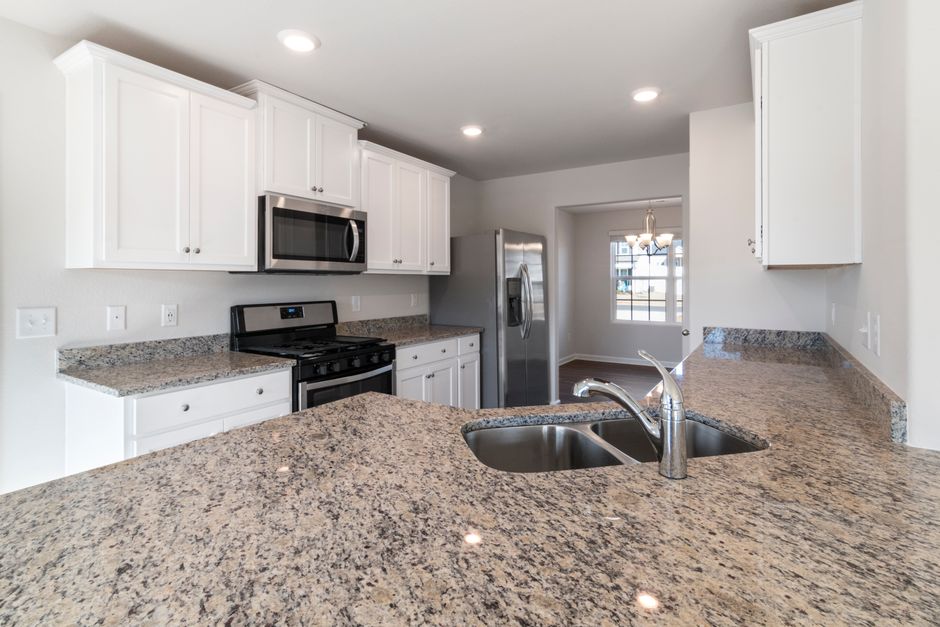
Depending on the density of the slab, the depth of the router bit changes. The technical notes found at buncombe county custom countertops nc newl5 officiel discuss the calibration required for a granite countertop in Buncombe County, NC. Precision in depth determines whether a groove serves as a decorative line or a functional channel.
Determining Kerf Depth for Drainage
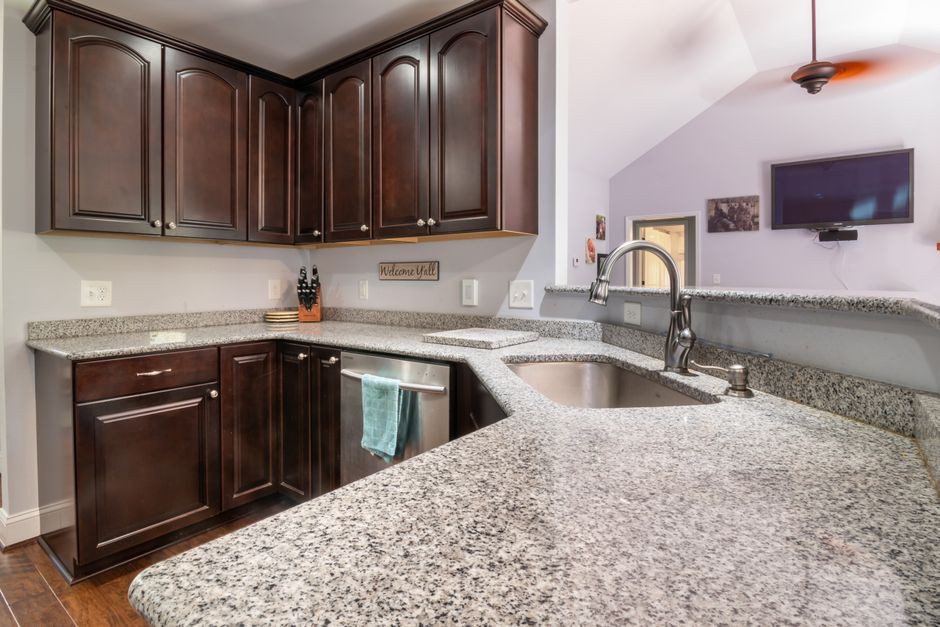
A shallow kerf provides a visual accent, while a deeper channel facilitates liquid movement. For integrated drainage details, the router must reach a depth sufficient to prevent pooling without compromising the structural integrity of the stone. A depth of three to five millimeters is standard for simple design lines. However, for a functional drainage groove near a sink cutout, the depth often increases to six millimeters or more. This allows water to travel toward a specific point or a hidden reservoir. Using a digital template ensures the path remains straight and consistent across the entire length of the work surface.
Material Density and Bit Selection
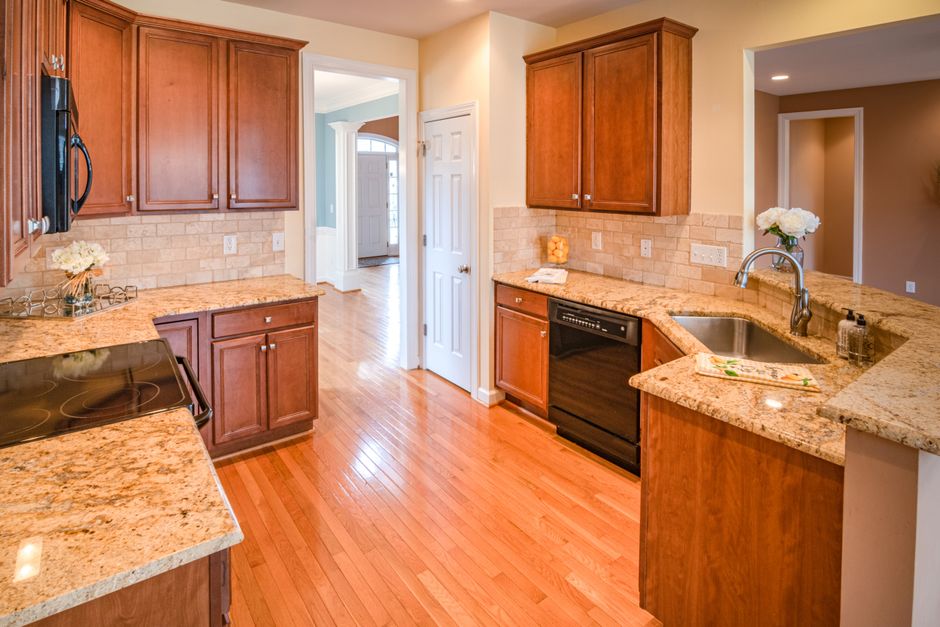
The hardness of the material dictates the approach. A quartz surface requires high-speed, diamond-coated bits to maintain a clean kerf. If the bit wanders, the groove becomes uneven. On softer materials like butcher block, the kerf depth remains easy to control, but the risk of splintering increases. For harder stones like quartzite, multiple shallow passes are better than one deep pass. Forcing a single deep cut leads to heat buildup and potential fractures in the material. A single pass often leaves a rough bottom, so a secondary cleanup pass at a shallower depth creates a smoother finish.
Managing Edge Profiles and Grooves
Grooves often run parallel to an edge profile. If a bullnose or an eased edge is present, the kerf depth must be calculated to avoid intersecting with the radius of the edge. A groove that runs too close to a waterfall edge can create a stress point. Maintaining a minimum distance of twenty millimeters from any primary edge prevents chipping during the fabrication process. The depth of the groove should also account for the thickness of the material to ensure the bottom of the kerf does not become a structural weak point.
Integration with Sinks and Cutouts
Near an undermount sink, the kerf depth must be carefully monitored. Deep grooves near a sink cutout can weaken the narrow strips of stone that support the sink rim. In these areas, a shallower decorative groove is safer. When working with a remnant, the available space limits the complexity of the routing. A large slab allows for deeper, more aggressive drainage channels, whereas a smaller piece requires more conservative depth settings to maintain strength.