Undercut sink reveal tolerance
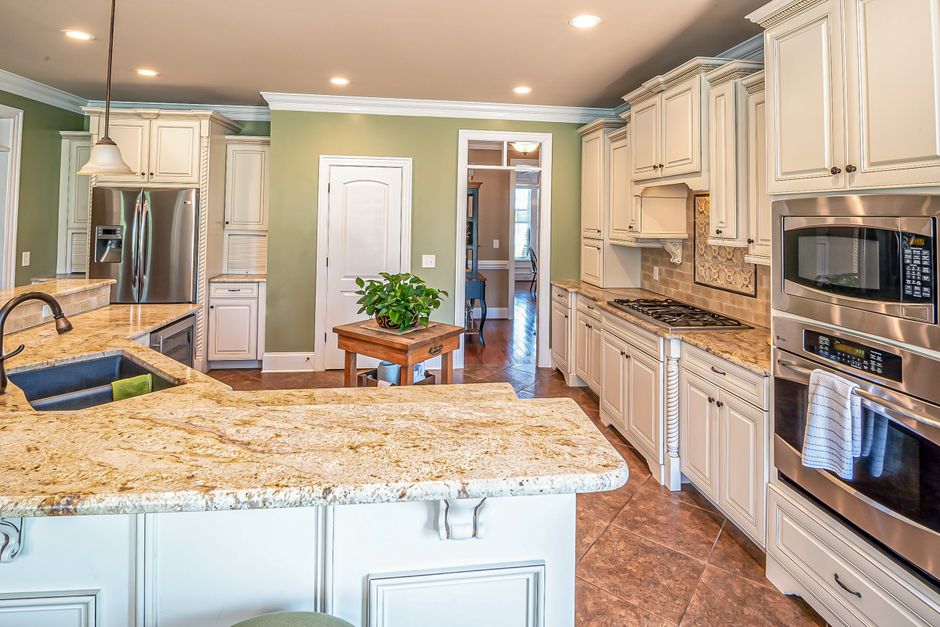
The scrape of a metal template against a granite slab signals the beginning of a precision cutout. Detailed measurements found at buncombe county custom countertops nc newl5 officiel govern the exact distance between the sink rim and the edge of the countertop in Buncombe County, NC.
Undercut Sink Reveal Tolerances
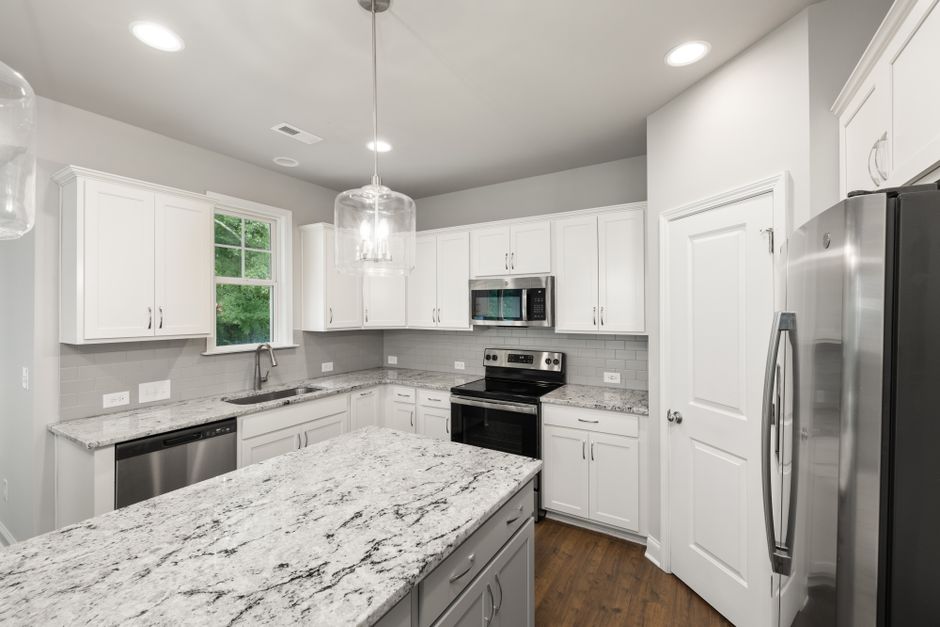
A positive reveal occurs when the stone edge extends slightly over the sink rim. This method hides the mounting clips and the thin lip of the undermount sink. A negative reveal places the sink rim slightly higher than the stone. This creates a sharp, clean line but requires perfect alignment. Even a fraction of a millimeter of error in the sink cutout will result in a visible gap or a lip that catches water. The thickness of the slab matters during this phase. A thin quartz slab behaves differently under tension than a heavy piece of quartzite. The goal is to maintain a consistent distance from the sink flange to the edge profile.
Measuring the Sink Cutout
Templating involves more than just tracing a shape. A digital template provides the geometry, but the physical sink must be on site to verify the dimensions. When working with marble or soapstone, the risk of chipping increases if the cutout is too close to the front edge. A standard setback for a sink cutout is between one and a half to three inches from the front edge. This distance protects the structural integrity of the stone. If the sink is placed too close to the edge, the weight of the water and the stone can cause a fracture along the seam. Measuring from the actual sink flange ensures the reveal stays uniform.
Edge Profiles and Structural Integrity
The chosen edge profile affects the visual reveal. An eased edge provides a subtle transition, while a bullnose edge adds thickness to the front. A waterfall edge requires even tighter tolerances because the stone must wrap around the corner without interrupting the sink line. If the sink is positioned too close to a seam, the seam placement must be calculated to avoid a weak point. Using a remnant for a small island requires checking the thickness against the primary slab to ensure the sink sits level. Any deviation in the depth of the undermount sink will show through the reveal.
Material Specifics for Installation
Different materials require different handling. Porcelain is brittle and requires a larger buffer from the sink cutout to prevent cracking. Solid surface and laminate do not offer the same rigidity as granite, meaning the sink mounting must be perfectly centered to prevent the material from sagging. Whether the surface is butcher block or a high end slab, the distance from the sink to the edge remains the most important metric for a clean finish. Proper measurement prevents water from pooling in the gap between the sink and the stone.