Sink cutout corner radius minimums
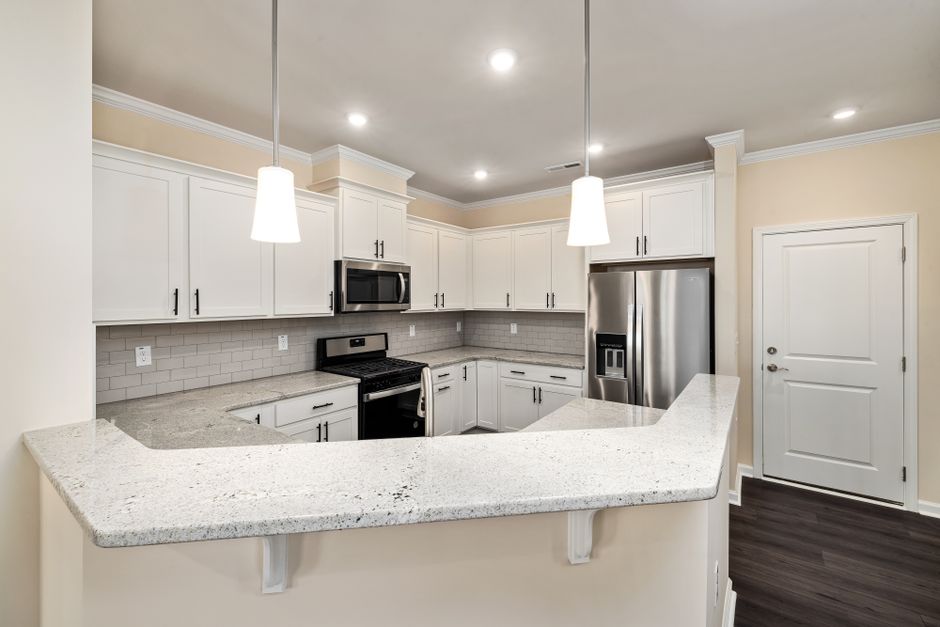
In a high tension installation, every millimeter of a radius matters. The technical data within the running record buncombe county custom countertops nc newl5 officiel holds shows that a sharp corner in a granite slab often leads to failure. Proper sink cutout geometry prevents the material from snapping under its own weight or during transport across Buncombe County, NC. A poorly executed worktop cutout creates a stress point that concentrates force at a single vertex.
The Mechanics of Corner Radii
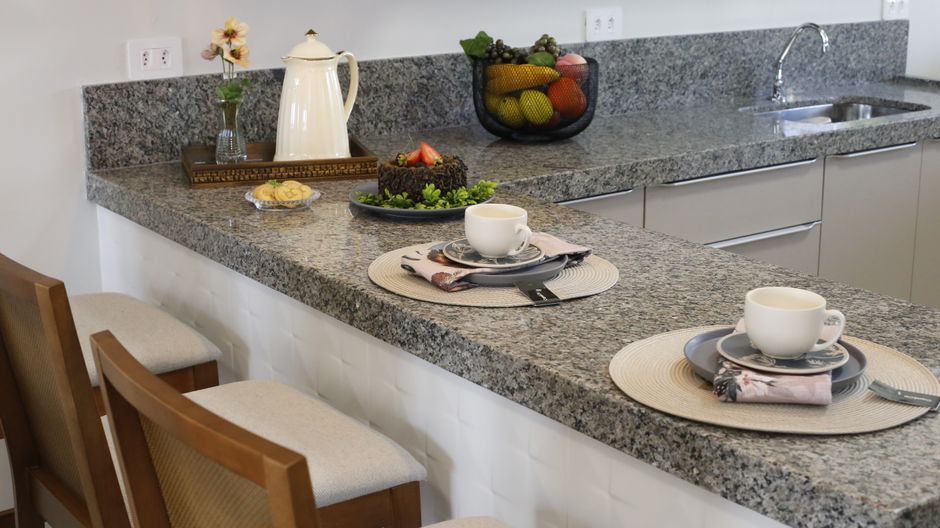
A perfectly square cutout is a structural liability. When a sink cutout is made with ninety degree angles, the internal stress of the stone migrates toward that single point. This is particularly true for quartz or quartzite. These materials have high compressive strength but can be brittle under tension. A minimum radius of 1/8 inch or 3/16 inch is the standard for preventing a crack from propagating from the corner. If a sink cutout lacks this radius, the slab is prone to snapping during the installation of an undermount sink.
Material Specific Requirements
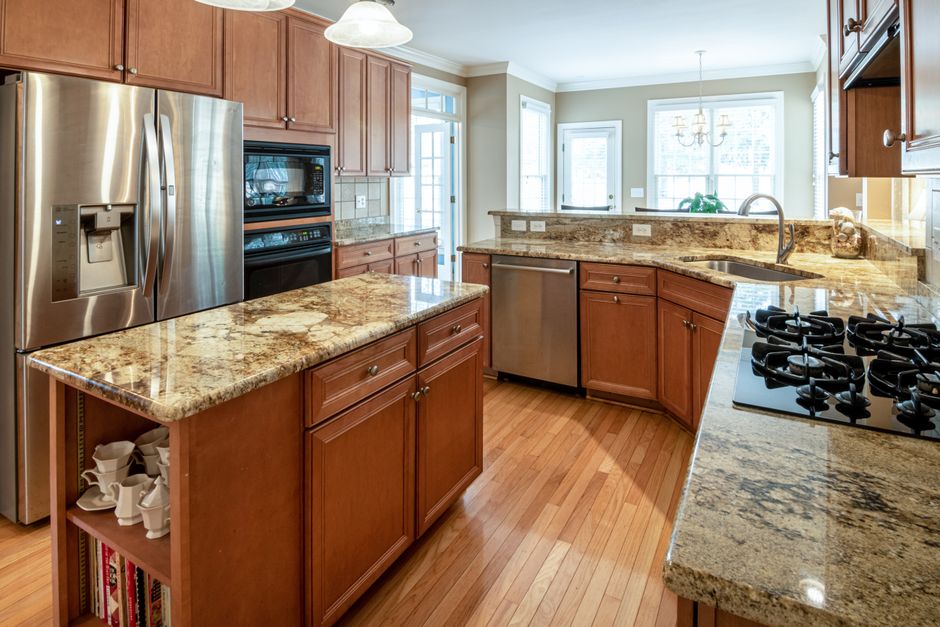
Different stones react to stress in unique ways. Marble and soapstone require even larger radii to maintain structural integrity. Because marble has natural veins, those pathways act as pre existing fault lines. A sharp cutout corner will almost certainly split along a vein. Even a small remnant used for a bar can fail if the radius is too tight. Porcelain requires extreme caution because the material is thin and lacks the internal mass of a thick granite piece. A digital template must account for these specific stone properties to ensure the cutout is safe.
The Role of Templating Accuracy
Precision in the initial phase dictates the longevity of the piece. Using a digital template ensures that the sink cutout matches the dimensions of the sink basin without leaving too little material at the corners. If the template is off, the remaining material becomes too thin to support the weight of the water and the sink itself. This thinness, combined with a sharp corner, creates a mechanical failure point. Proper templating keeps the radius consistent around the entire perimeter of the opening.
Mitigating Risk During Installation
Physical handling of the slab often reveals flaws in the cutout. When a technician sets an undermount sink into place, the downward pressure is distributed through the stone. If the radius is insufficient, the pressure forces the crack to start at the corner. An eased edge profile around the cutout can provide a tiny bit of extra surface area, but it does not replace the need for a proper radius. A large radius is the most effective way to distribute that load and protect the slab.