Silicone bead geometry for waterproof joints
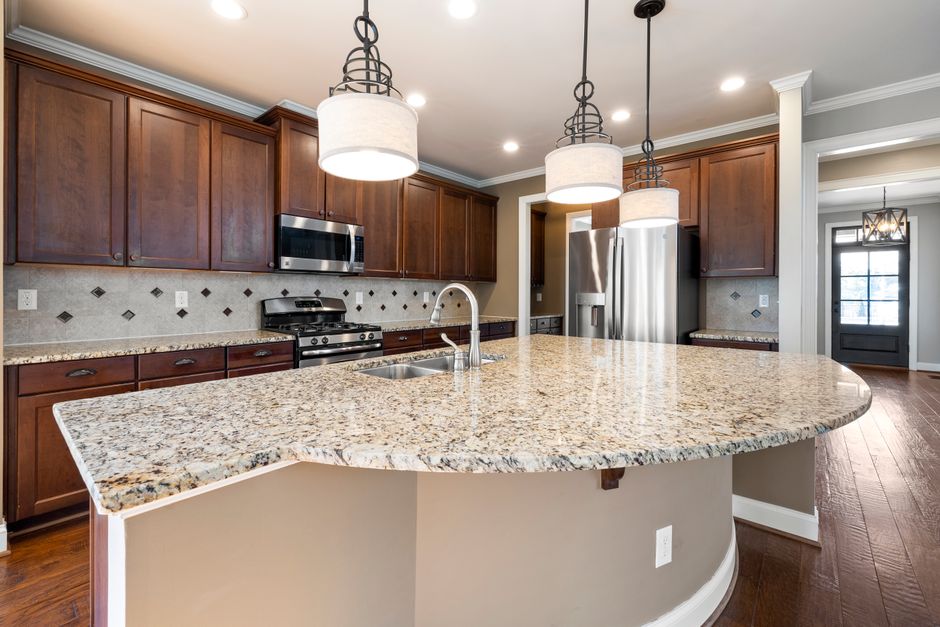
Ten dollars covers the cost of a small tube of silicone. Proper bead geometry for a quartz countertop in Buncombe County, NC is dictated by surface tension, as the notes at buncombe county custom countertops nc newl5 officiel describe.
The Physics of the Sealant Bead
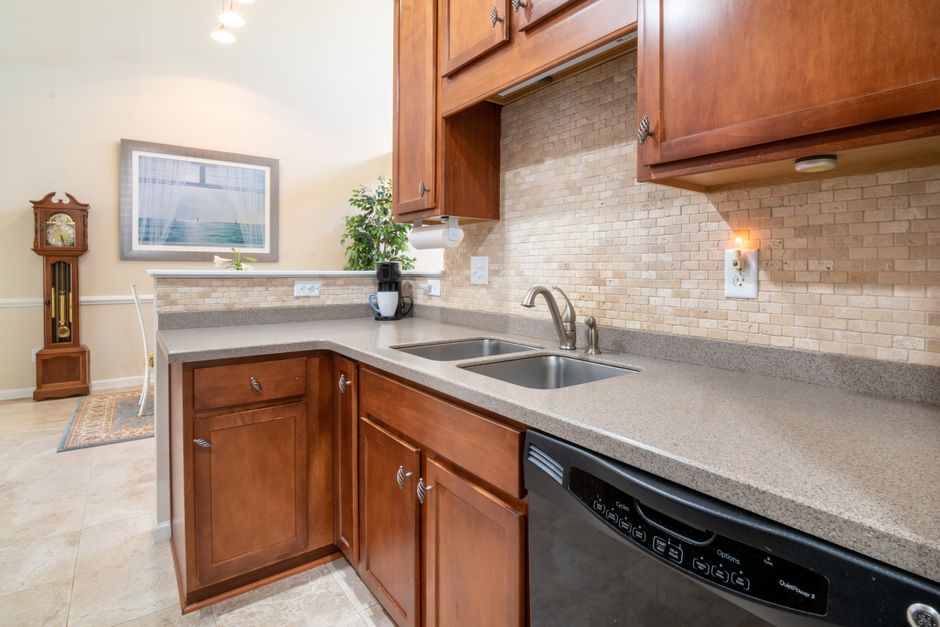
A sealant bead must maintain a specific convex shape to shed water effectively. A concave or flat bead allows moisture to pool at the junction of the slab and the wall. Gravity pulls water into a recessed bead, leading to mold or substrate failure. To prevent this, the silicone must be tooled to a smooth, rounded profile. This shape forces water to run down the vertical surface and away from the seam. A consistent radius across the entire length of the joint ensures that no stagnant pools form near a sink cutout or along the backsplash.
Managing Surface Tension and Wetting
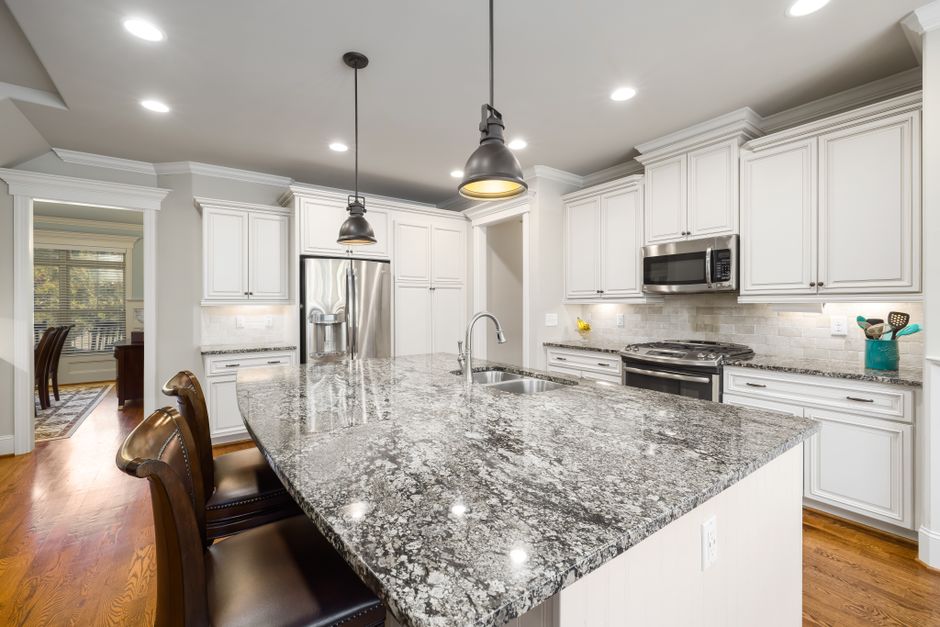
Surface tension determines how the silicone adheres to granite or porcelain. If the bead is too thick, the center remains uncompressed, creating a weak point. If the bead is too thin, the material lacks the mass to bridge small gaps in the template. Proper tooling requires a steady hand and a specific tool shape to press the sealant into the corner. This action creates a mechanical bond. The sealant should wet the surface without overflowing onto the face of the slab. An overflow onto a marble edge profile complicates the cleaning process and can leave a residue that is difficult to remove.
Bead Geometry at the Sink and Seam
Geometry changes near an undermount sink. The bead must transition from a backsplash joint to a perimeter seal. A thick, messy bead around a sink cutout causes water to trap behind the rim. The sealant must follow the exact line of the stone. At a seam placement, the bead is often minimal to avoid visible buildup. A wide bead at a seam is a failure of technique. The goal is a tight, uniform line that mimics the edge profile of the stone itself. This maintains a clean visual line and prevents water from entering the joint between two pieces of quartzite.
Tooling Techniques for Water Shedding
Tooling is the mechanical process of shaping the bead. Using a soapy water solution helps the tool glide, but too much soap can break the surface tension and cause the sealant to pull away from the edge. A smooth, continuous motion prevents ridges. Ridges in the silicone act as tiny dams, catching water and directing it into the joint. Whether working with soapstone or laminate, the tool must press the bead into a consistent, outward-facing curve. This geometry ensures that every drop of water follows the path of gravity away from the countertop edge.